GARDEN OF ECHOES
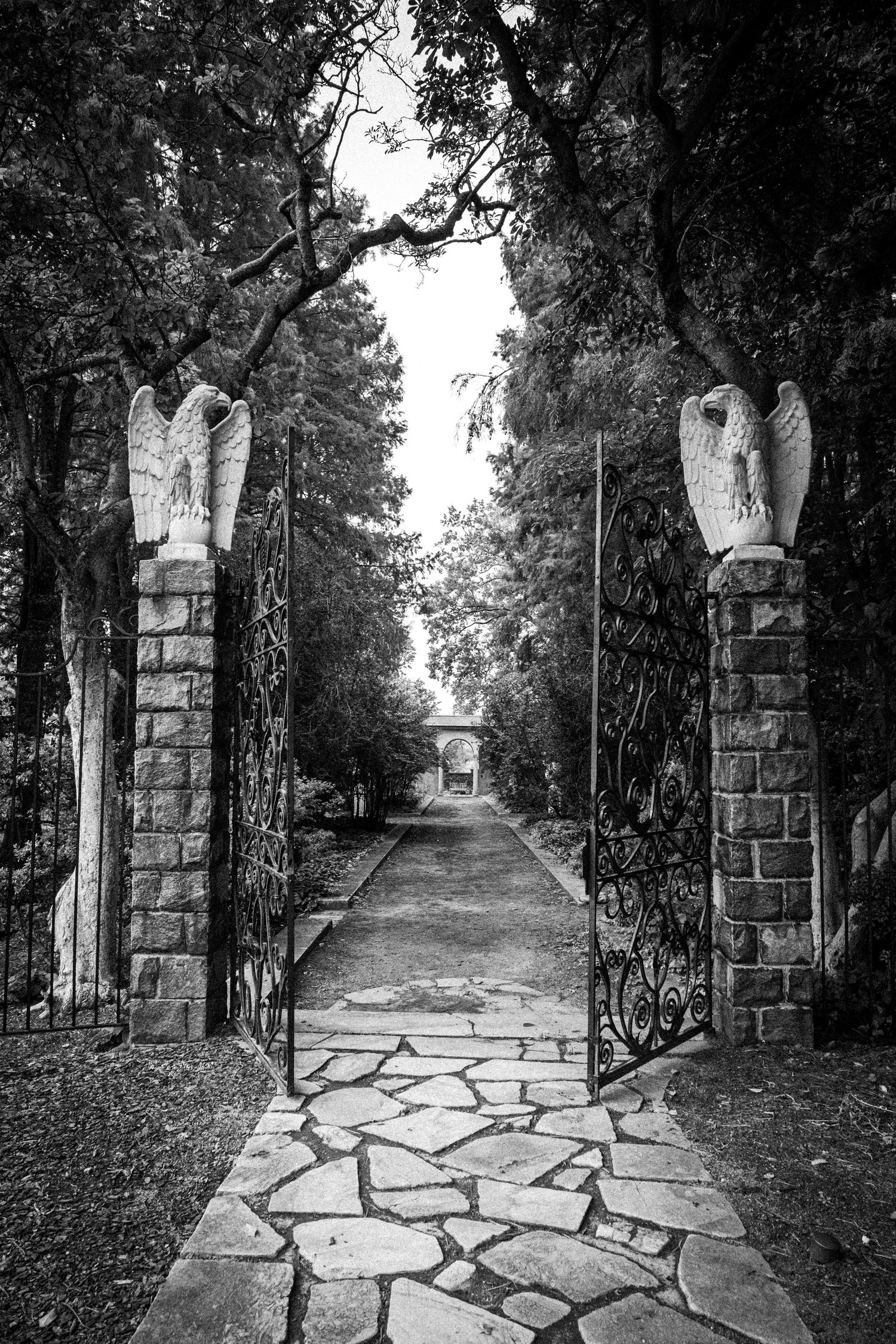
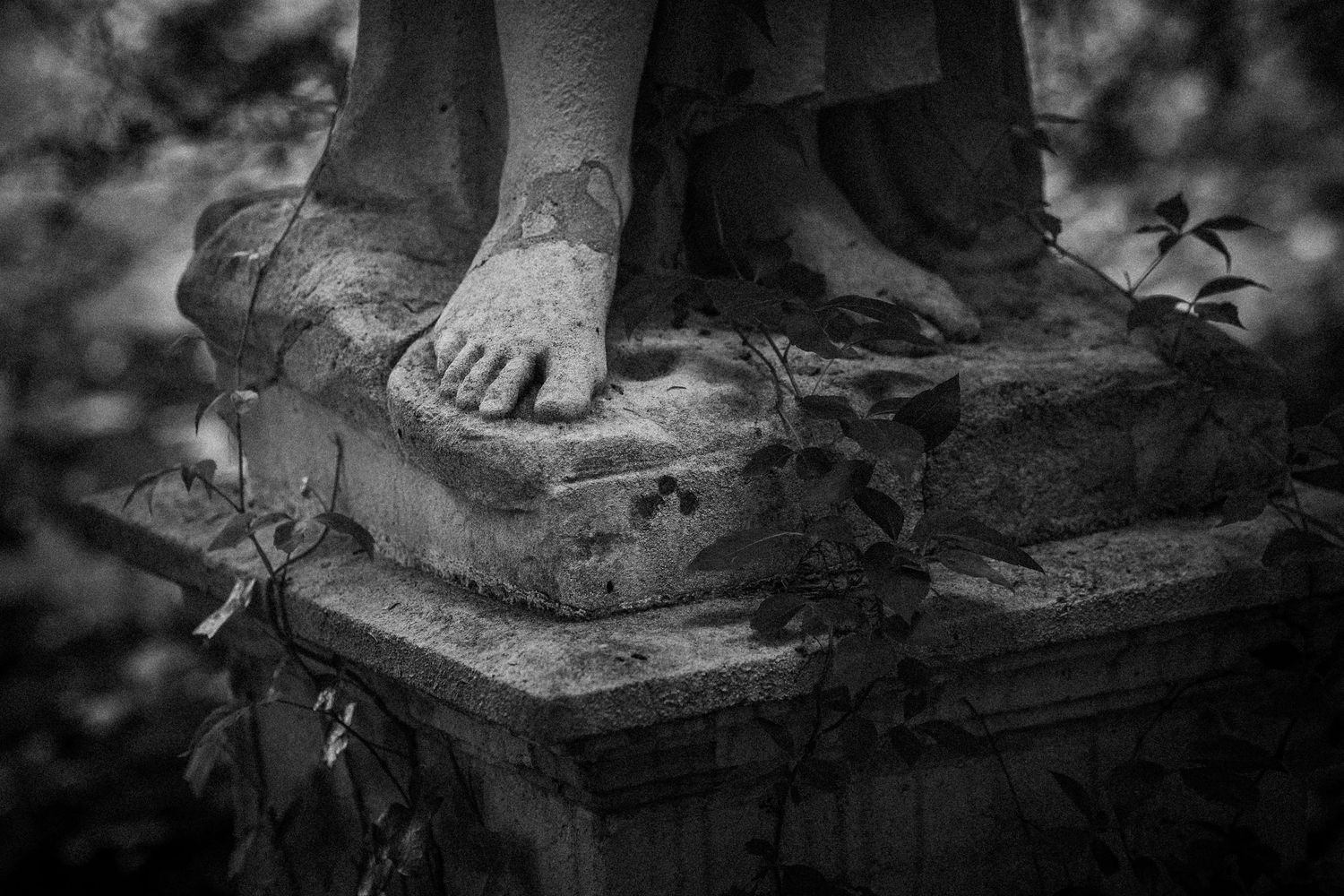
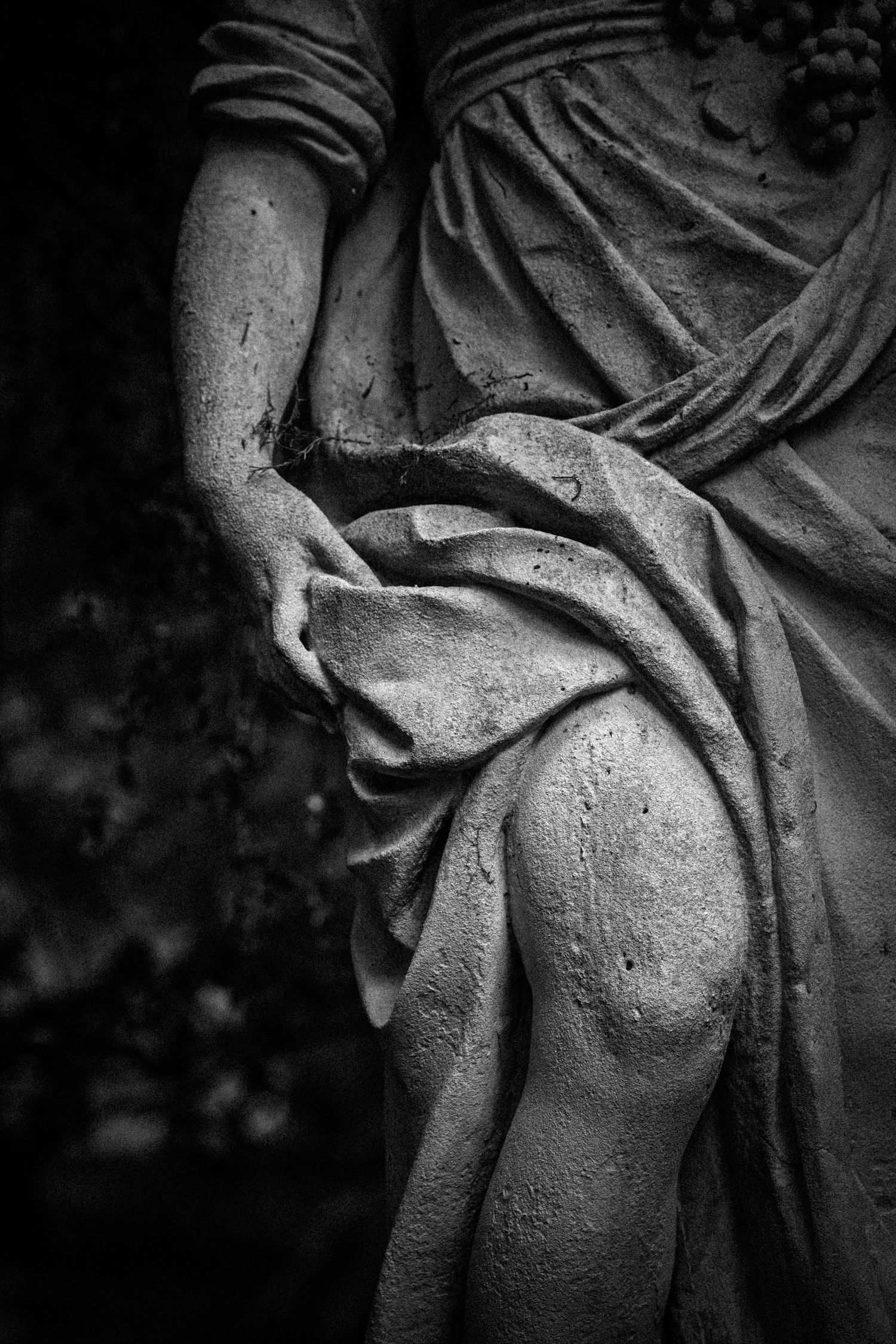
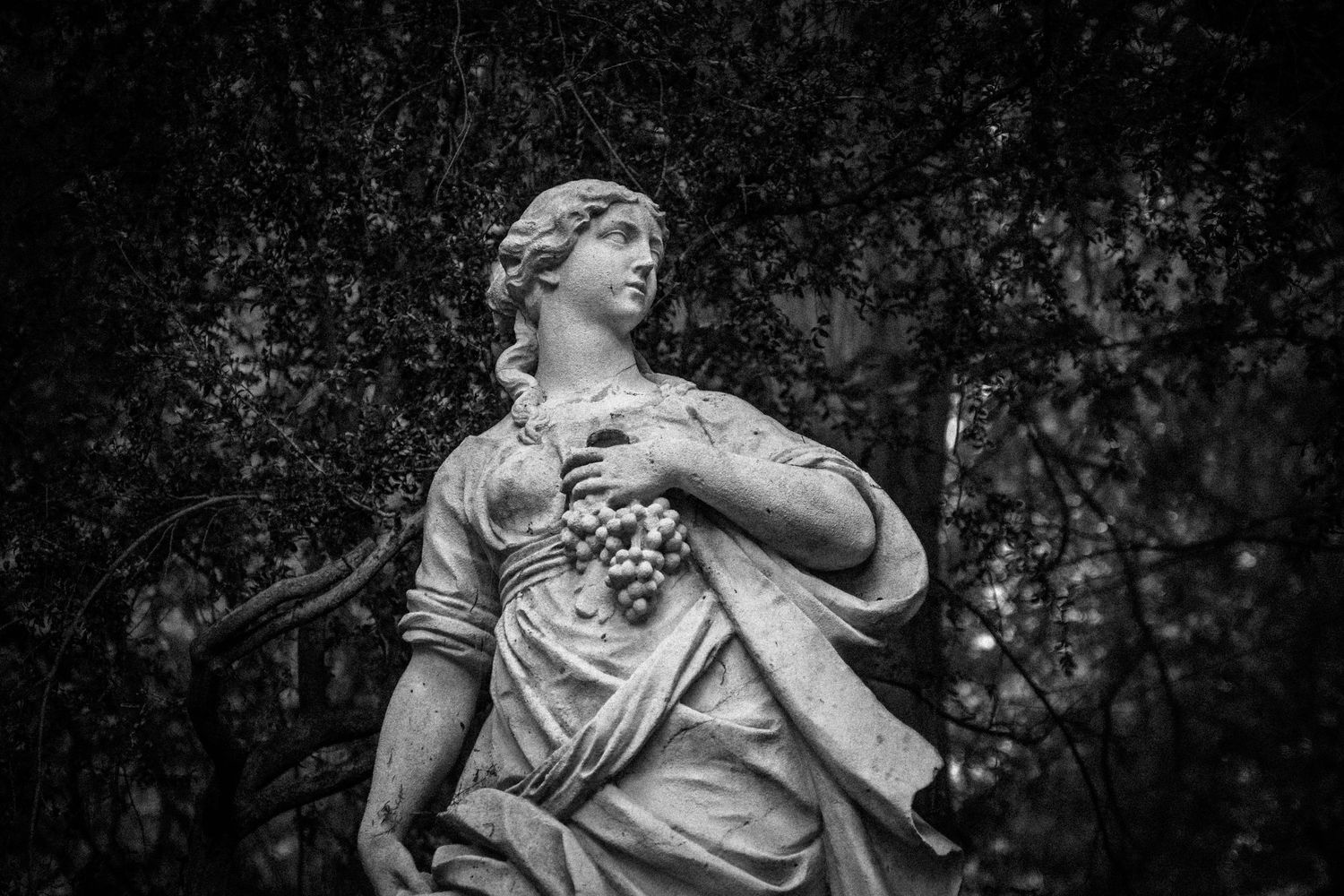
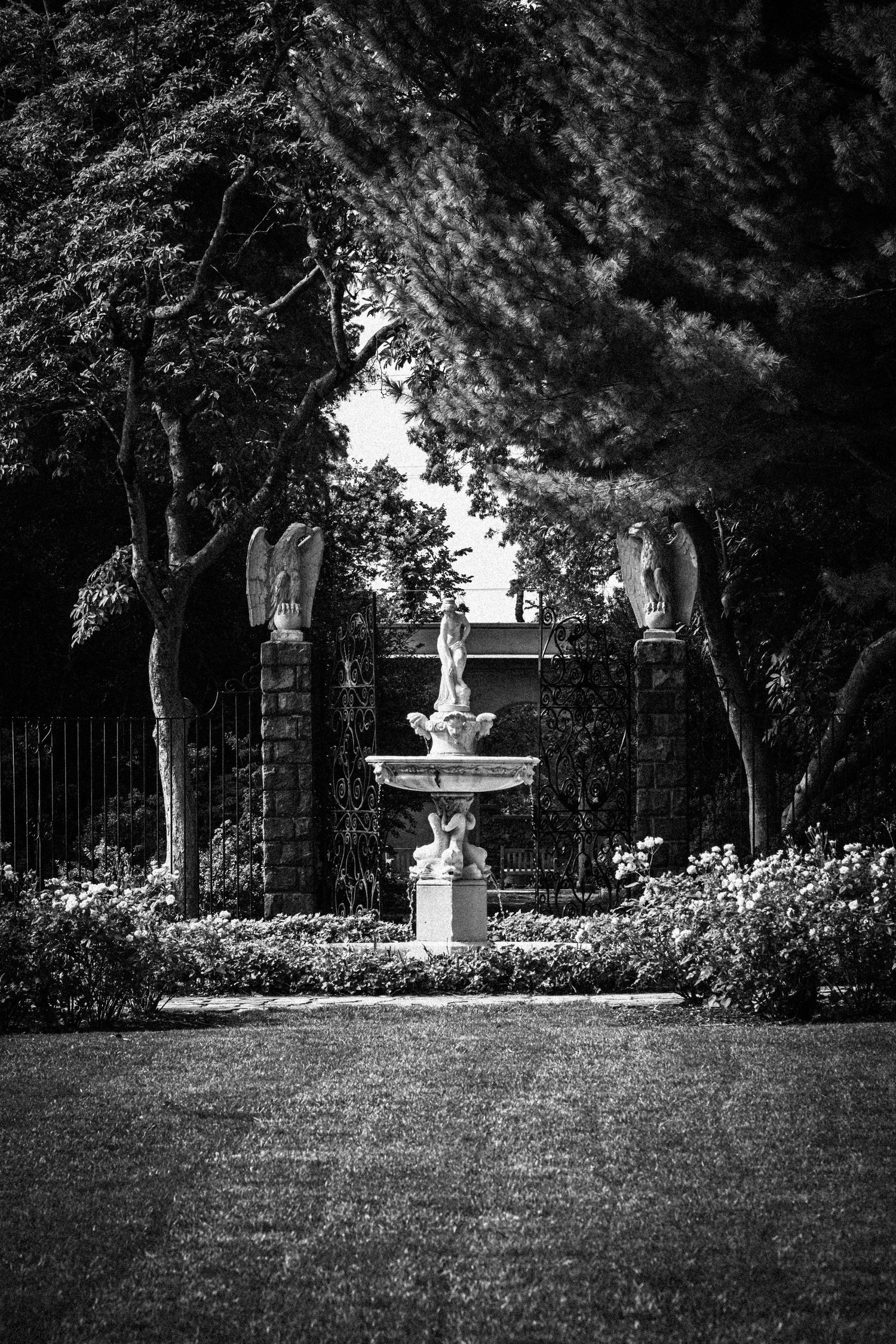
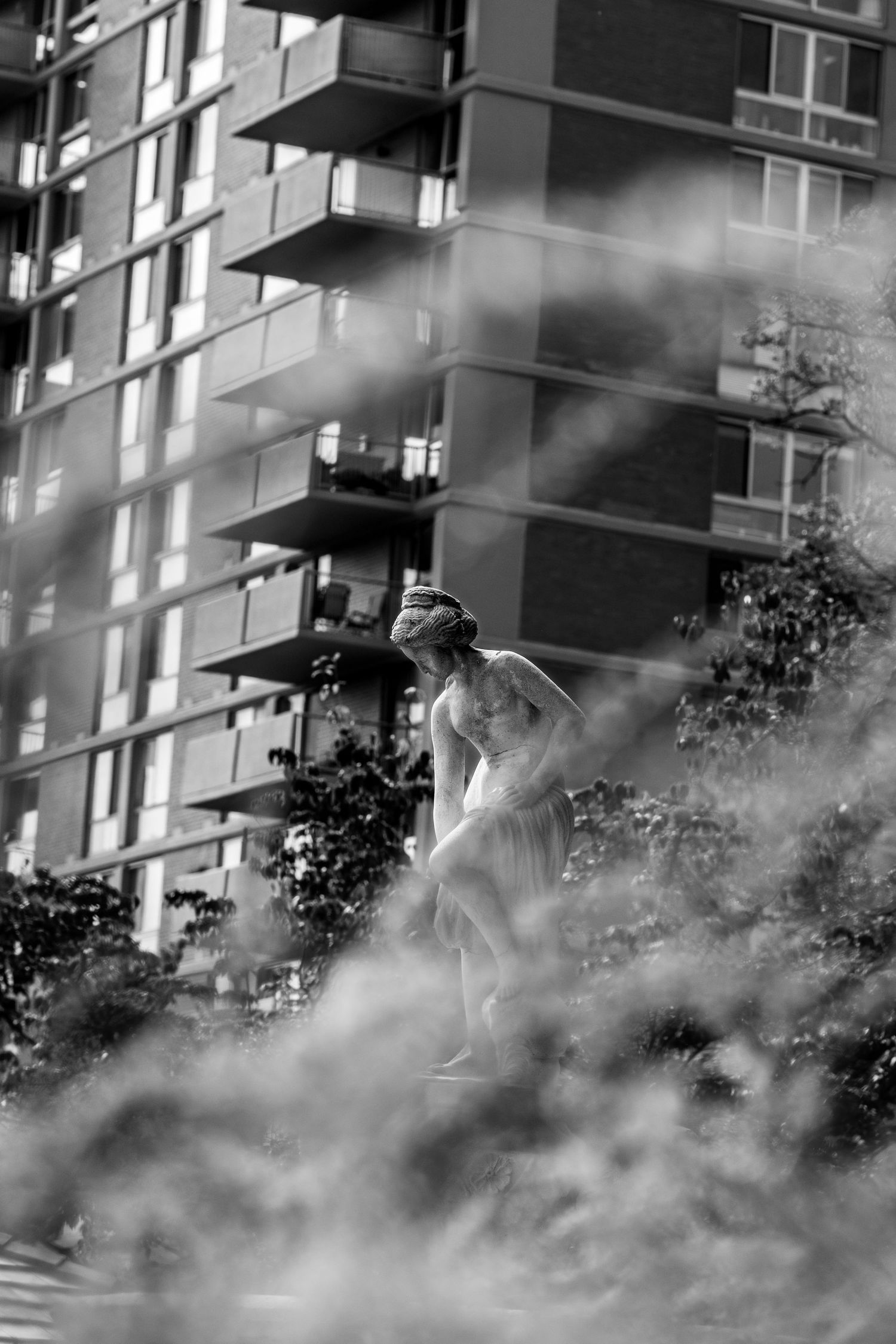
When I first picked up a camera, I was drawn to forgotten gardens, historic buildings, and old cemeteries where time seems to move differently. Among weathered stones bearing names long since faded, beneath the watch of angels and classical figures, I found a profound quiet. These weren't places of darkness or morbidity, but of unexpected beauty and peace.
There's something about them that lingers. The faint echo of children's laughter from garden parties long past, a flicker of movement at the edge of your vision, light shifting through the trees in ways that feel almost deliberate. Residual hauntings, perhaps, or simply the weight of memory clinging to spaces where so much life once unfolded. Early on, I discovered the work of Clarence John Laughlin through an assignment to emulate a lesser-known black and white photographer. Through his haunting images and his experimentation with double exposure, he revealed how photography can bridge the physical and the spiritual, the seen and the felt. His work taught me that a photograph can hold more than an image; it can hold atmosphere and memory, and the quiet feeling of a place that stays with you.
Garden of Echoes grew from those early wanderings with my camera. In a world that rushes relentlessly forward, these sacred spaces offer something rare: stillness, craftsmanship, and grace. These monuments remain as testaments to lives once lived, to the artisans who carved them, and to the human longing to be remembered. These photographs are an invitation to pause, to see the quiet beauty in places we too often overlook.